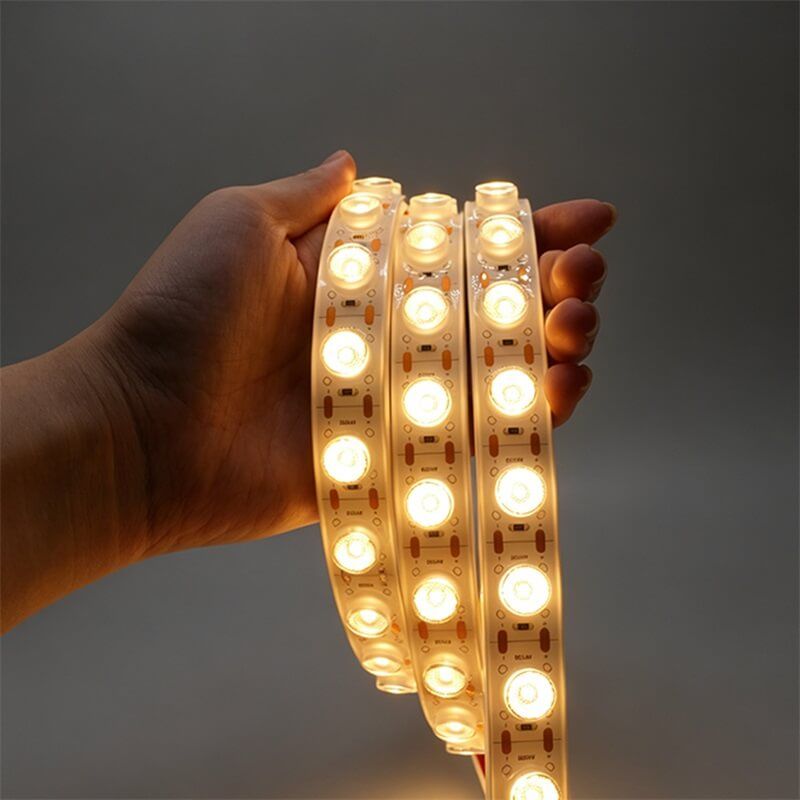
OPTION 1
Flexible Wall Washer LED Strip 48LEDs/m SMD2835 16W 2700K IP67 Waterproof 15mm PCB Linear Lighting
30° Lens Optical Design, Ultra Uniform Wall Washing Effect
High Quality OEM/ODM LED Strip Manufacturer
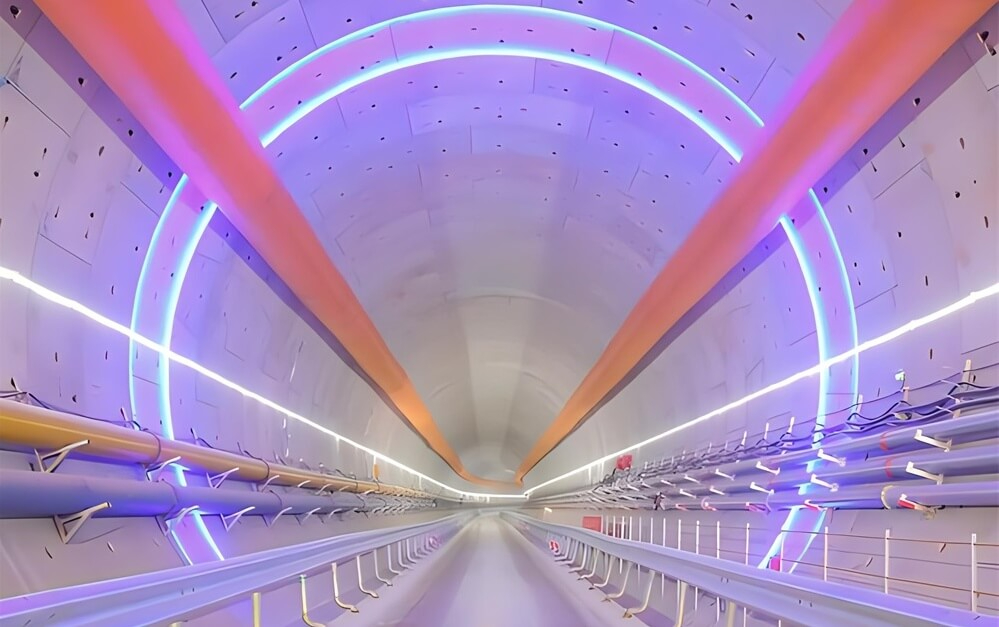
TUNNEL & PASSAGE LIGHTING SOLUTION
THE PROJECT CHALLENGE
A tunnel is not one uniform lighting zone. Entrance adaptation, transition areas, the interior zone, emergency routes and decorative or wayfinding lines have different jobs. A reliable specification begins with mounting position, viewing distance, ambient exposure and maintenance access—not simply watts per metre.
Life-safety and primary roadway illumination must still be designed and approved by the project engineer. Flexible strip products should only be used for the role defined in the approved lighting and electrical plan.
DESIGN PRIORITIES
Turn the desired appearance into a buildable, maintainable lighting specification.
Specify shielding, mounting angle and output by zone. A bright exposed line within the driver or passenger field of view can reduce comfort even when measured illuminance is adequate.
Confirm water exposure, wash-down method, dust, exhaust contaminants, vibration and operating temperature. The sealing method must include cable entries and end terminations, not just the strip body.
Long tunnel runs need calculated feed points, conductor sizes and circuit lengths. Segmenting the system makes faults easier to isolate and prevents visible dimming at the far end.
Use repeatable lengths, labelled circuits, accessible drivers and replaceable mounting channels. A service plan is especially important where lane closures or restricted access are costly.
SELECTION GUIDE
Product choice should follow the viewing direction, visual effect, environment, control system and installation detail.
Include target illuminance or luminance, colour temperature, CRI, allowable glare, dimming protocol, circuit length, ingress rating and ambient temperature. For road tunnels, the complete design should follow the applicable national road-lighting and tunnel-safety standards.
RECOMMENDED PRODUCTS
These options cover common project requirements. Final dimensions, output, protection, controls and documentation are confirmed against your specification.
30° Lens Optical Design, Ultra Uniform Wall Washing Effect
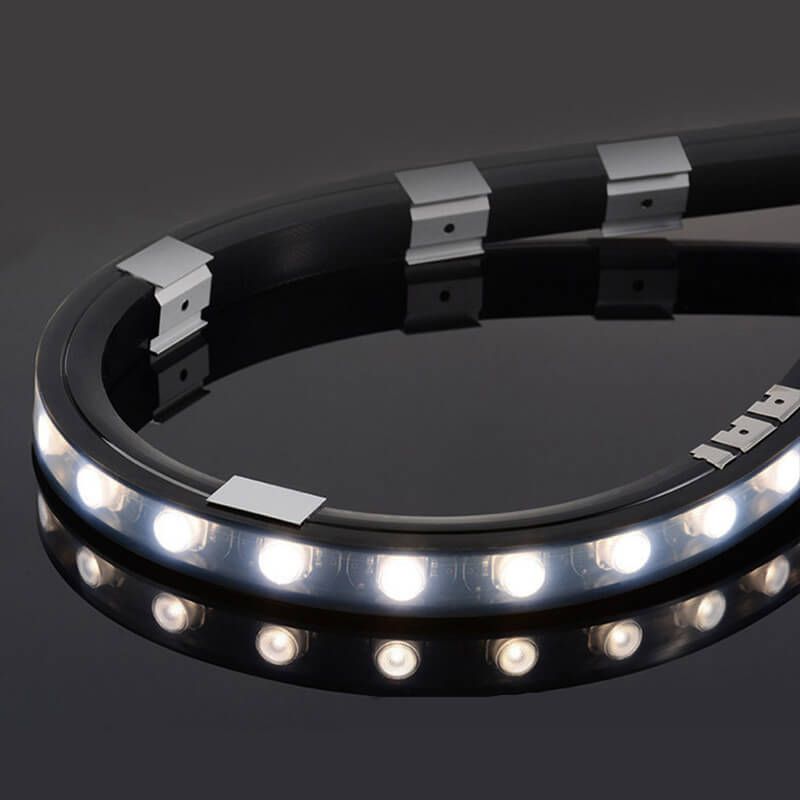
High Brightness Lens, Soft lighting
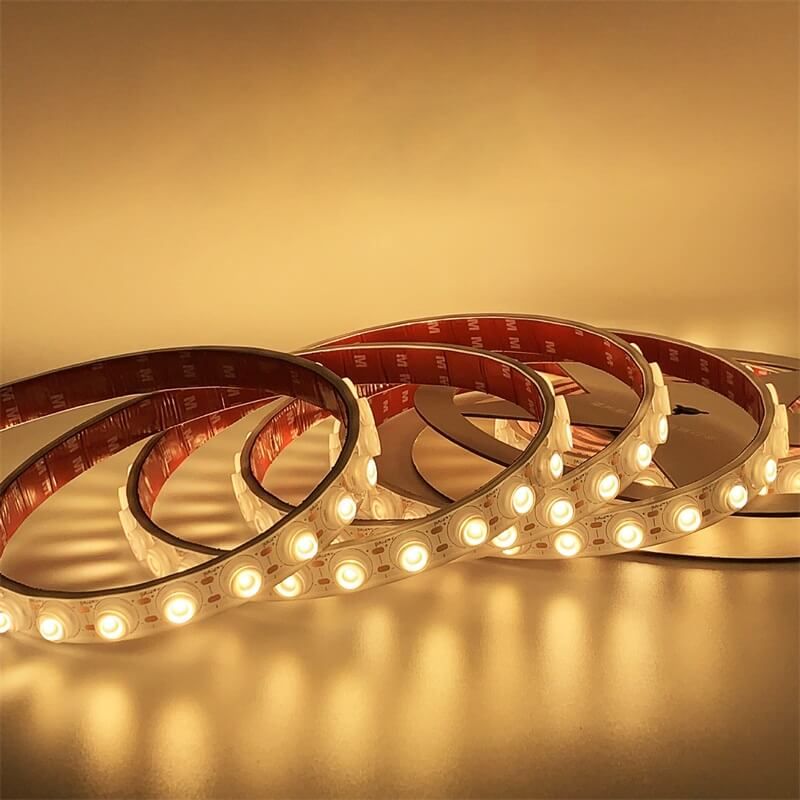
high brightness, 50,000 hour life
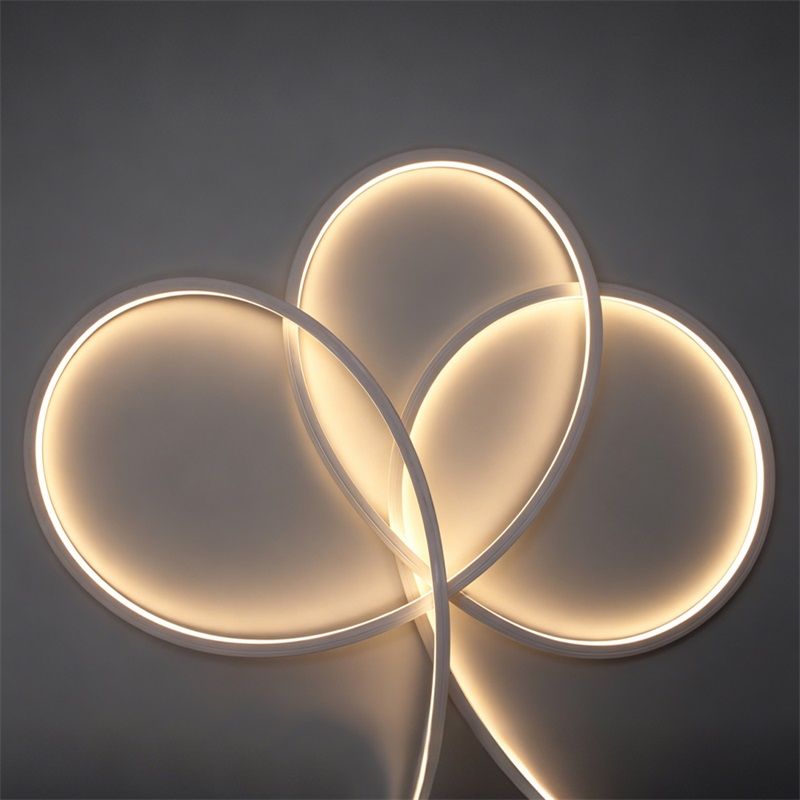
Seamless Neon Effect, IP67 Waterproof
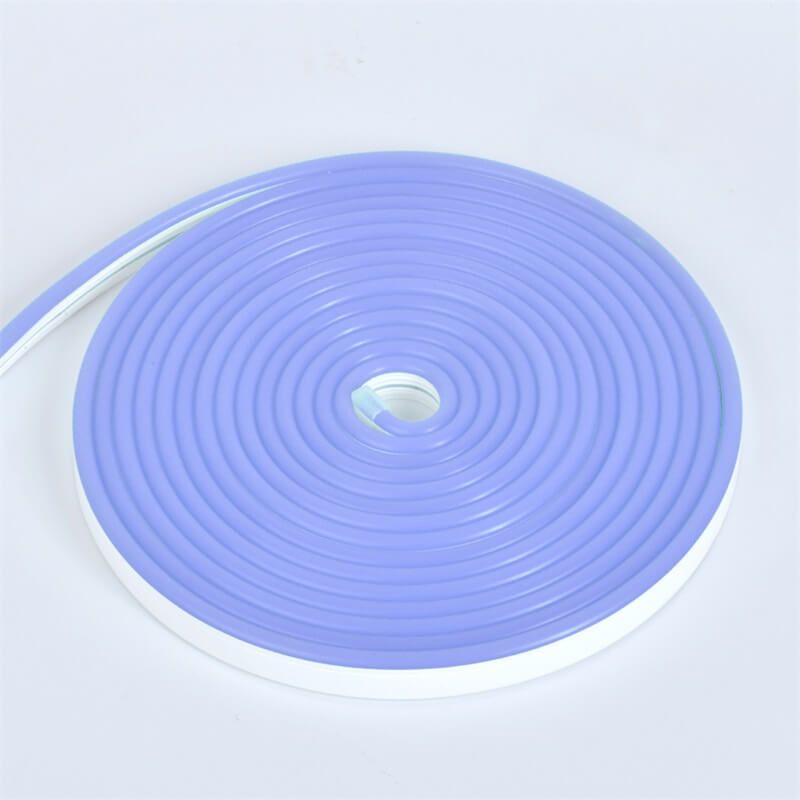
SYSTEM & INSTALLATION
A dependable result includes power, controls, cables, connections, mounting, environmental protection and service access.
Locate drivers and control equipment in accessible, ventilated enclosures. Provide surge protection and suitable grounding where required by the electrical design. Avoid burying field joints behind finishes.
Factory terminations are preferred for exposed runs. Where field connections are unavoidable, use the approved connector, sealant, cable gland and curing procedure, then test before the installation is closed.
Build a mock-up at the real mounting height. Check line continuity, glare, camera appearance, voltage drop, dimming behaviour and emergency-mode interaction before releasing the full quantity.
APPLICATION GALLERY
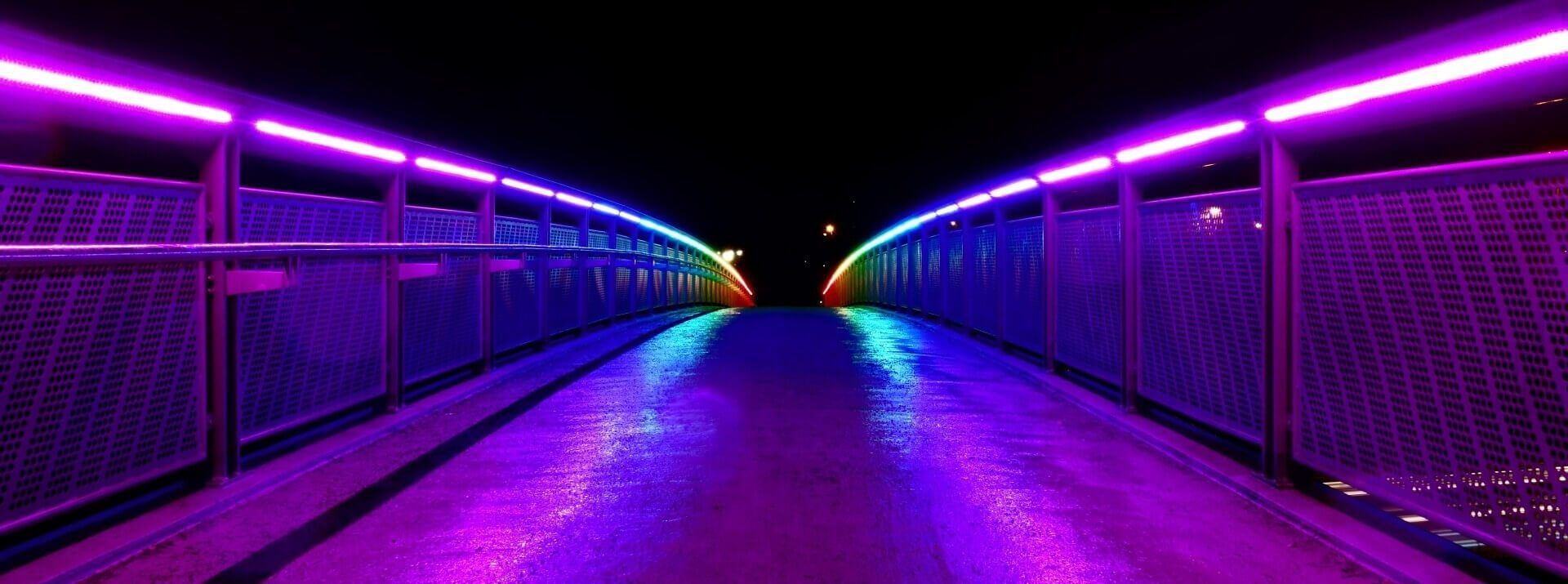
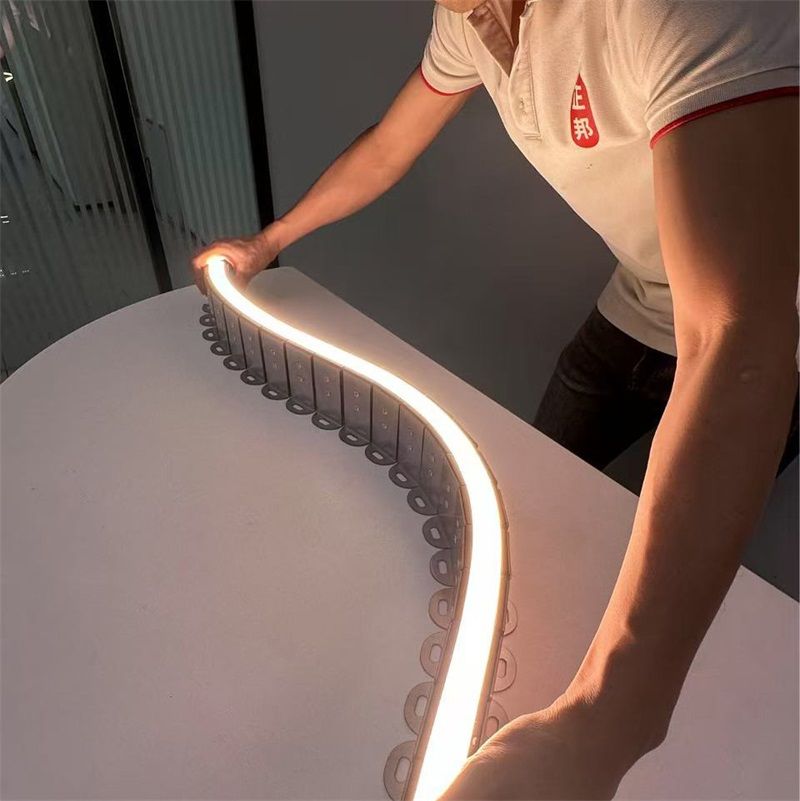
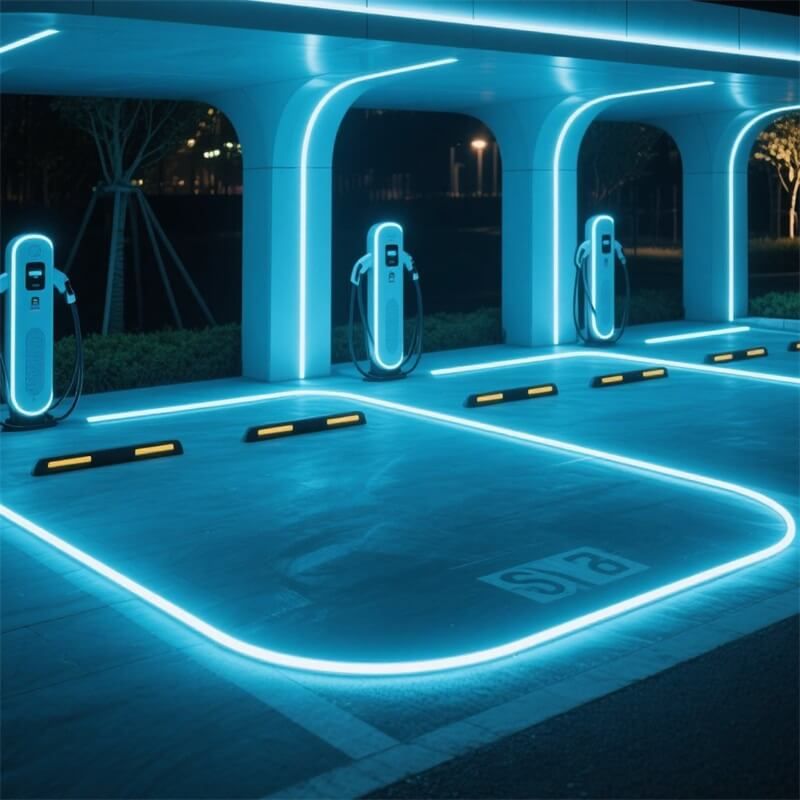
Use images to discuss the desired effect; the final specification depends on the actual site.
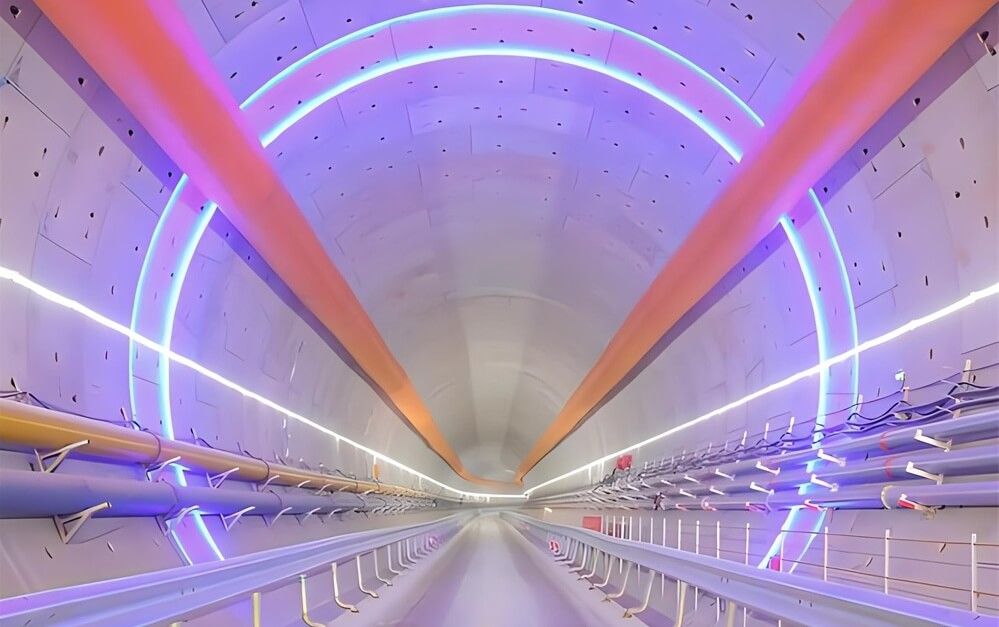
PROJECT BRIEF
Send what is available. We can identify the remaining decisions before sampling.
Prepare Your RFQBUYER FAQ
Practical answers for designers, contractors and purchasing teams preparing a project specification.
FROM CONCEPT TO APPROVED SAMPLE
Tell us the site conditions, desired effect, dimensions, quantity, destination market and schedule.
PROJECT & OEM ENQUIRIES
Describe the application and the result you need. Our team will review the electrical, optical and mechanical requirements before recommending a product or sample.
Fields marked * are required. Share what is available—we can help clarify the rest.
RELATED PROJECT PATHWAYS
Explore adjacent application guides selected for this project type.
EXPLORE MORE



Mobile:+86 18923408595
Email:info@zbl-lighting.com
Zip Code: 518106
Xinwei Fourth Industrial Zone, Gongming Subdistrict, Guangming District, Shenzhen, Guangdong, China