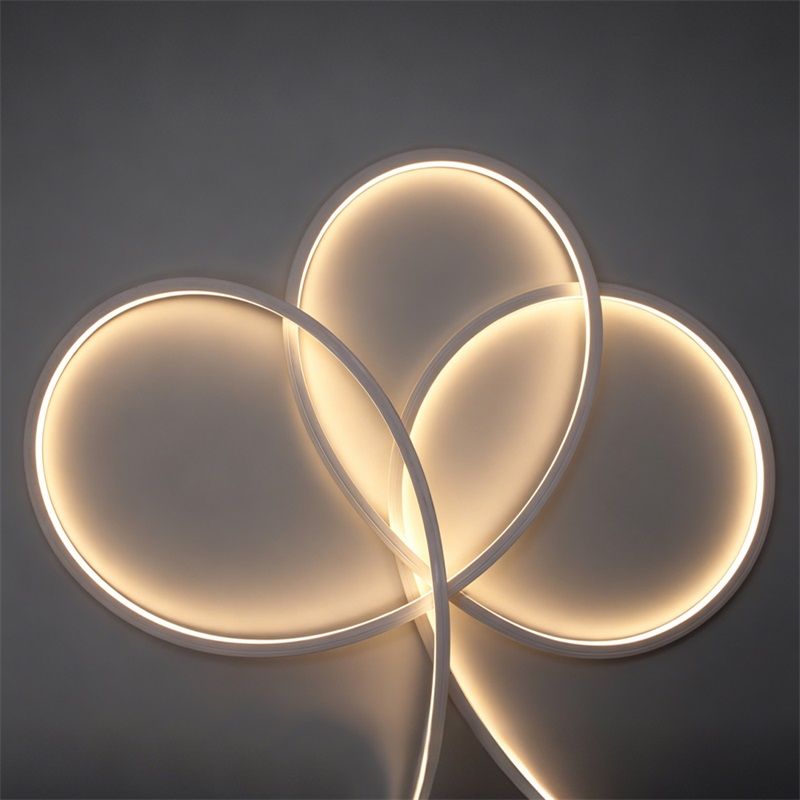
OPTION 1
10x10mm High Performance Silicone LED Strip Light for Commercial Lighting Projects
Seamless Neon Effect, IP67 Waterproof
High Quality OEM/ODM LED Strip Manufacturer
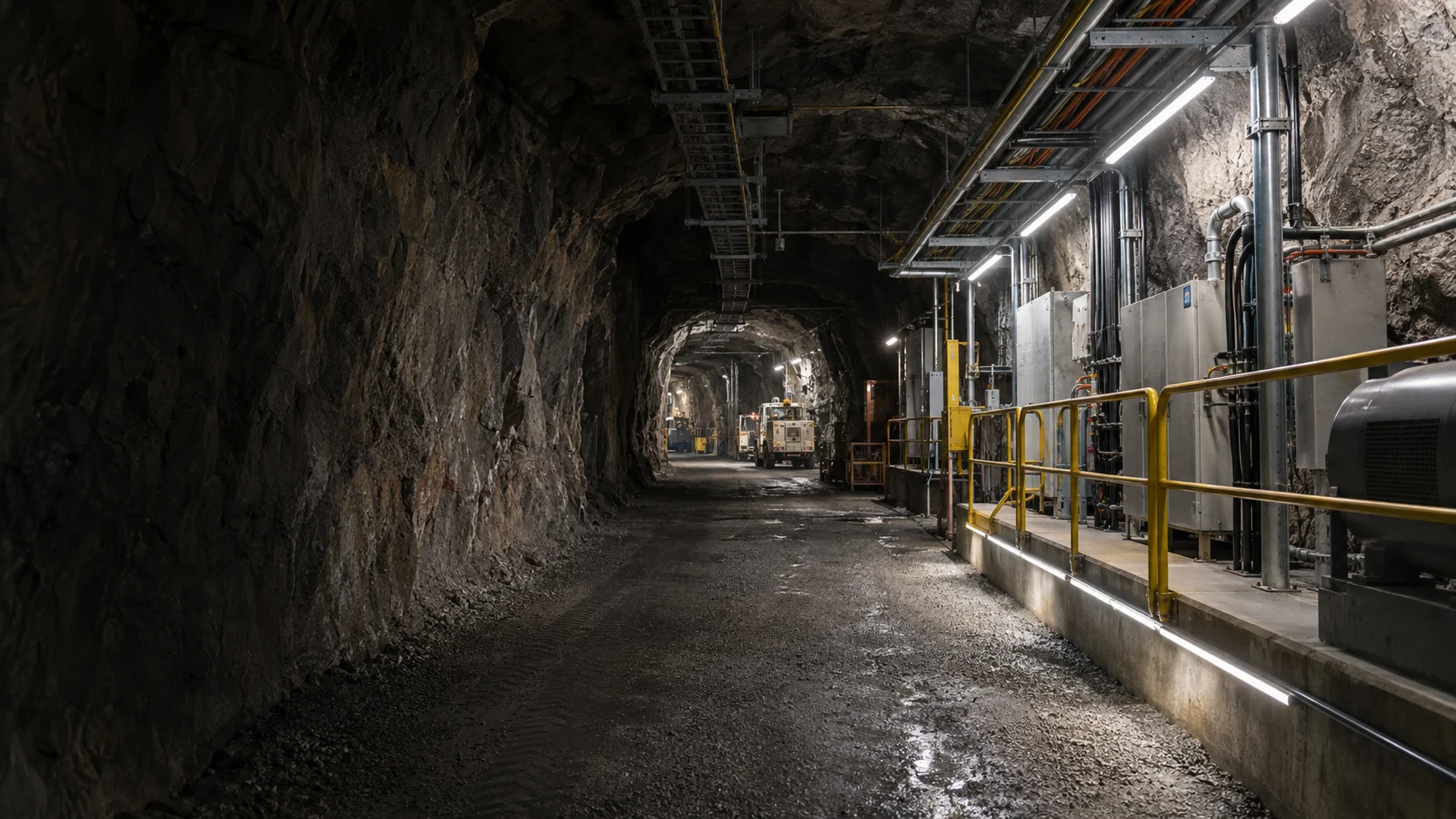
MINING SUPPORT LIGHTING SOLUTION
THE PROJECT CHALLENGE
The first question is not brightness—it is area classification. Underground mines may contain methane, coal dust or other explosive atmospheres. Standard LED strip and neon flex must never be presented as explosion-protected or intrinsically safe without certification for the exact assembly and jurisdiction.
If the location is hazardous, send the zone or class/division, gas or dust group, temperature class and required mine approval. We will state clearly whether a suitable certified solution is available; otherwise the application must use an approved hazardous-location luminaire.
DESIGN PRIORITIES
Turn the desired appearance into a buildable, maintainable lighting specification.
Ask the mine engineer for the formal hazardous-area classification and required approvals. Product selection cannot be based on a verbal description such as “dusty” or “underground.”
Use recessed mounting, guards or robust channels where tools, rock, cables or moving equipment could strike the light. Flexible construction does not make a strip impact-proof.
Review pressure washing, slurry, oils, cleaning chemicals and cable-entry exposure. Materials and sealing details must suit the actual contaminants.
Divide long lines into labelled replaceable modules with accessible connections. Standardised spare lengths reduce downtime during maintenance.
SELECTION GUIDE
Product choice should follow the viewing direction, visual effect, environment, control system and installation detail.
IP67 or IP68 describes ingress protection under defined tests. It does not mean explosion-proof, flameproof, intrinsically safe, MSHA-approved or suitable for a classified mine area. Required compliance must be verified for the complete product and installation.
RECOMMENDED PRODUCTS
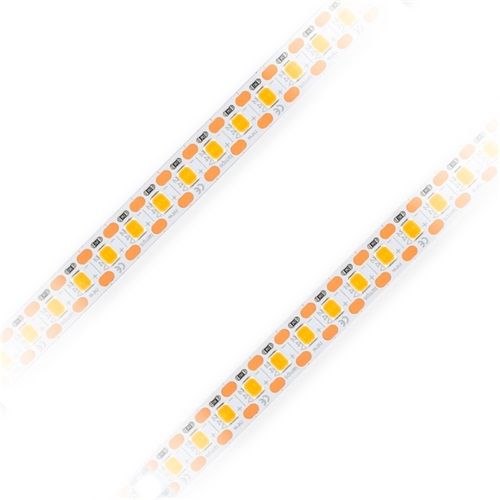
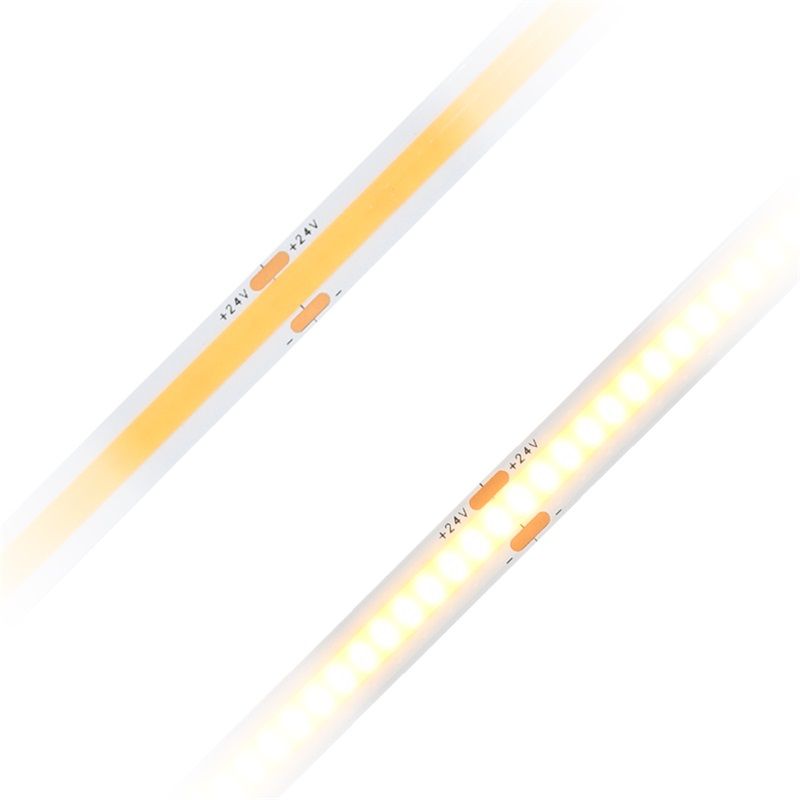
These options cover common project requirements. Final dimensions, output, protection, controls and documentation are confirmed against your specification.
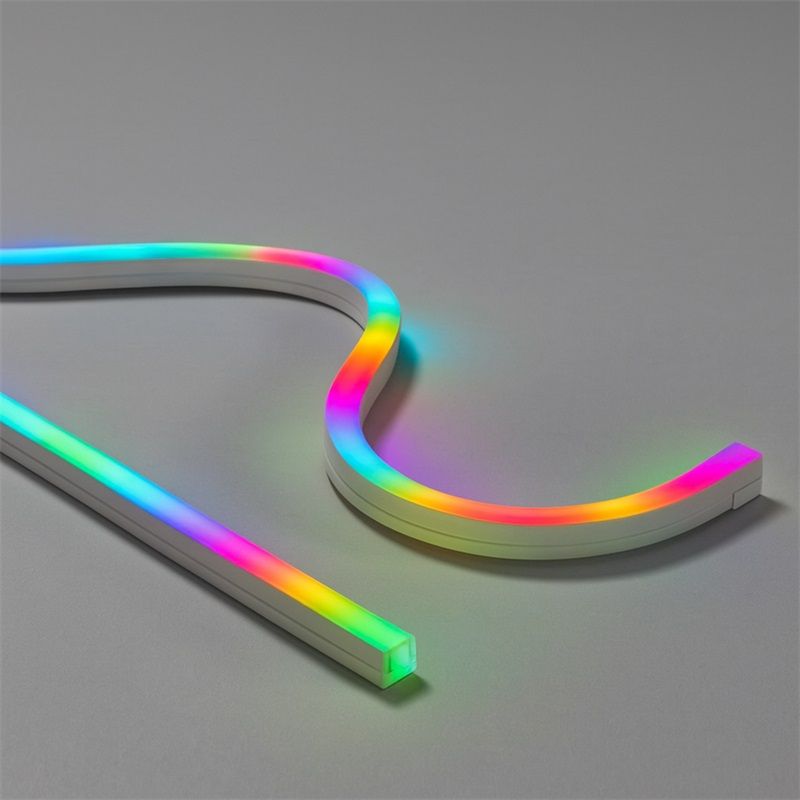
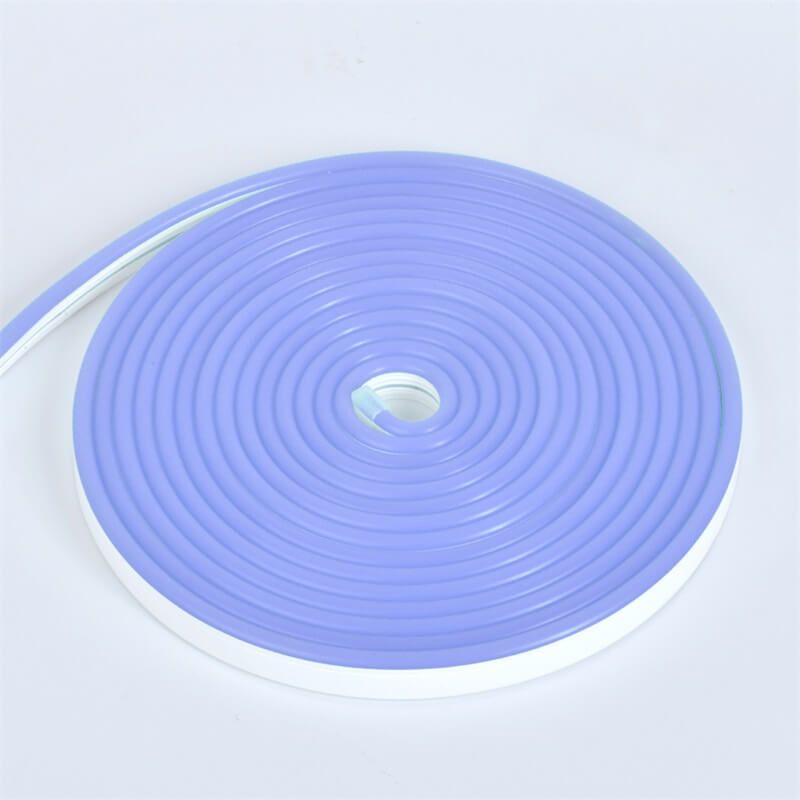
Seamless Neon Effect, IP67 Waterproof
SYSTEM & INSTALLATION
A dependable result includes power, controls, cables, connections, mounting, environmental protection and service access.
Place drivers, protection devices and connectors in approved enclosures with suitable thermal management. Secure cables against vibration and abrasion, and provide strain relief at every transition to moving equipment.
A prototype should be evaluated for temperature rise, vibration, contamination, cleaning and supply variation. For vehicle or battery-powered equipment, confirm transient protection and operating voltage with the equipment engineer.
Drawings should identify the strip, extrusion, cable, connectors, driver, enclosure and installer-supplied items. Compliance claims must refer to the exact evaluated assembly—not a visually similar component.
APPLICATION GALLERY
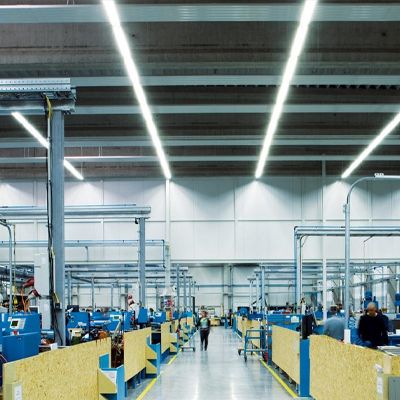
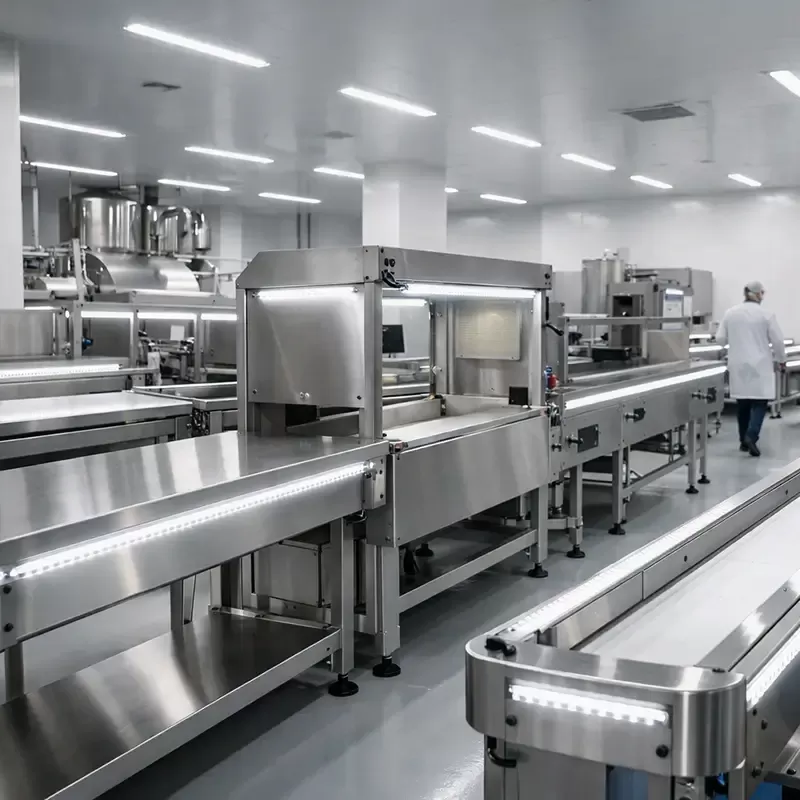
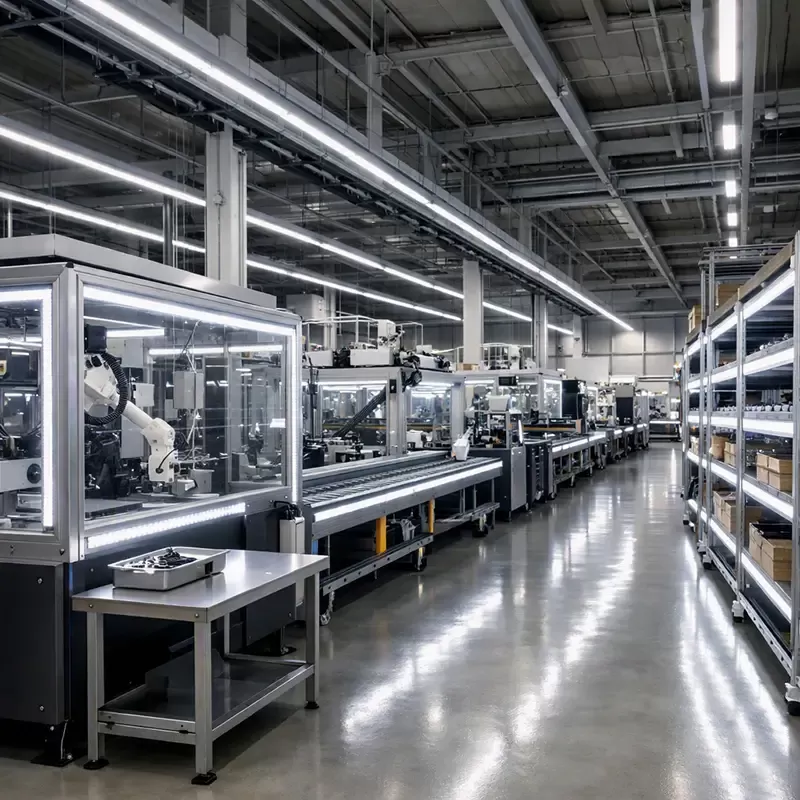
Use images to discuss the desired effect; the final specification depends on the actual site.
PROJECT BRIEF
Send what is available. We can identify the remaining decisions before sampling.
Prepare Your RFQBUYER FAQ
Practical answers for designers, contractors and purchasing teams preparing a project specification.
FROM CONCEPT TO APPROVED SAMPLE
Tell us the site conditions, desired effect, dimensions, quantity, destination market and schedule.
PROJECT & OEM ENQUIRIES
Describe the application and the result you need. Our team will review the electrical, optical and mechanical requirements before recommending a product or sample.
Fields marked * are required. Share what is available—we can help clarify the rest.
RELATED PROJECT PATHWAYS
Explore adjacent application guides selected for this project type.
EXPLORE MORE



Mobile:+86 18923408595
Email:info@zbl-lighting.com
Zip Code: 518106
Xinwei Fourth Industrial Zone, Gongming Subdistrict, Guangming District, Shenzhen, Guangdong, China