High Quality OEM/ODM LED Strip Manufacturer

High Quality OEM/ODM LED Strip Manufacturer
Published: November 17, 2022 Updated: December 8, 2025 1975
LED strip lights have become a popular choice for home, commercial, and industrial lighting projects. They are energy-efficient, versatile, and easy to install. However, understanding their power consumption is essential for choosing the right power supply and planning your lighting setup. This guide explains everything you need to know in simple terms.
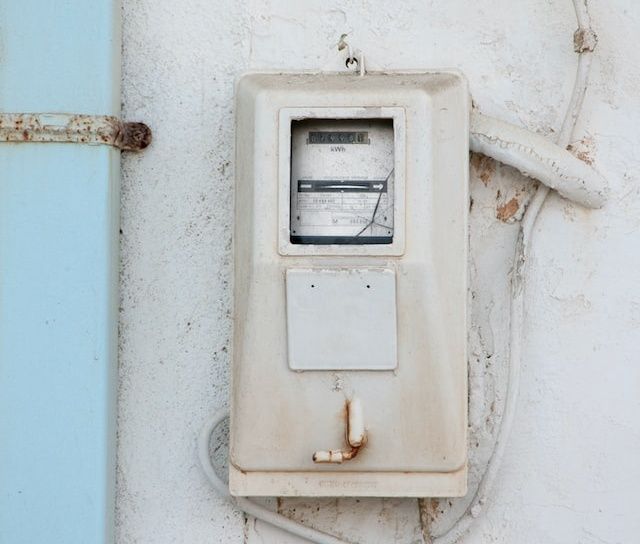
The power consumption of an LED strip light mainly depends on three factors:
LED Type and Size Different LEDs consume different amounts of power. For example, a 5050 RGB LED typically uses more power than a 3528 single-color LED because it has three chips in one package. COB LED strips, with densely packed LEDs, usually consume more power due to higher brightness.
Number of LEDs per Meter LED strips come in different densities, such as 30, 60, or 120 LEDs per meter. The higher the LED density, the more power the strip will consume.
Color and Brightness RGB or RGBW strips draw more power than single-color strips. Also, running the LEDs at maximum brightness increases power consumption compared to dimmed or softer lighting.
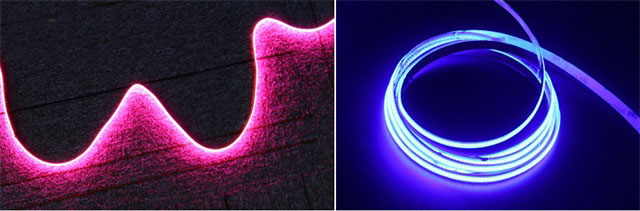
Calculating power consumption is straightforward if you know the LED strip’s specifications. Follow these steps:
Check the power rating Look for the wattage per meter in the product specifications. For example, a 24V RGB strip may consume 14.4W per meter.
Multiply by the strip length If your strip is 5 meters long, multiply 14.4W × 5 = 72W total.
Consider the voltage Make sure your power supply matches the voltage of the LED strip (e.g., 12V or 24V). Using a mismatched voltage can damage the LEDs or cause inefficient power use.
Add a safety margin Always add 10–20% extra capacity to your power supply to ensure stable performance and account for any future expansion.
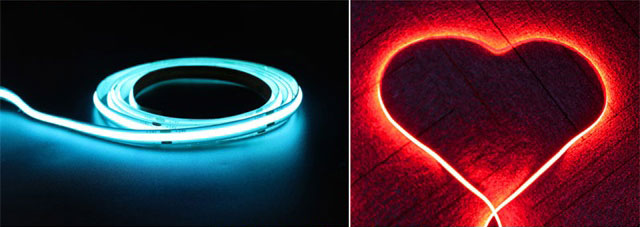
Use lower brightness settings when full intensity is not needed.
Choose LEDs efficiently: Higher-quality LEDs may give the same brightness with lower wattage.
Consider LED type: COB or high-density strips offer smoother light but may consume more energy; choose based on your project needs.
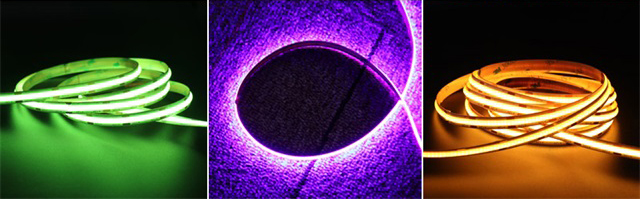
Knowing how much power your LED strips consume helps you:
Select the correct power supply to avoid overloading.
Estimate energy costs for commercial or industrial projects.
Plan safe and efficient lighting layouts, avoiding dim sections or voltage drops.
Conclusion Understanding the power consumption of LED strip lights is not complicated. By considering LED type, density, color, and brightness, you can calculate the exact power needs and choose the right power supply. This ensures your lighting project runs efficiently, safely, and with optimal brightness.
Need professional help? Contact our team for expert support and personalized solutions. We’re here to assist you. Contact Us



Mobile:+86 18923408595
Email:info@zbl-lighting.com
Zip Code: 518106
Xin Wei Forth industrical Zone,Gong Ming Town,Guangming New Area,Shen Zhen,Guangdong,China