What is the process of COB LED Strip manufacturing?
October 10, 20201142
COB (Chip on Board) LED technology has become a key player in modern lighting solutions, renowned for its high efficiency, uniform light distribution, and excellent thermal performance. COB LED strips, which use this technology, are popular in various lighting applications, ranging from residential to commercial environments. This article provides a comprehensive overview of the COB LED strip manufacturing process, detailing each critical step and its importance.
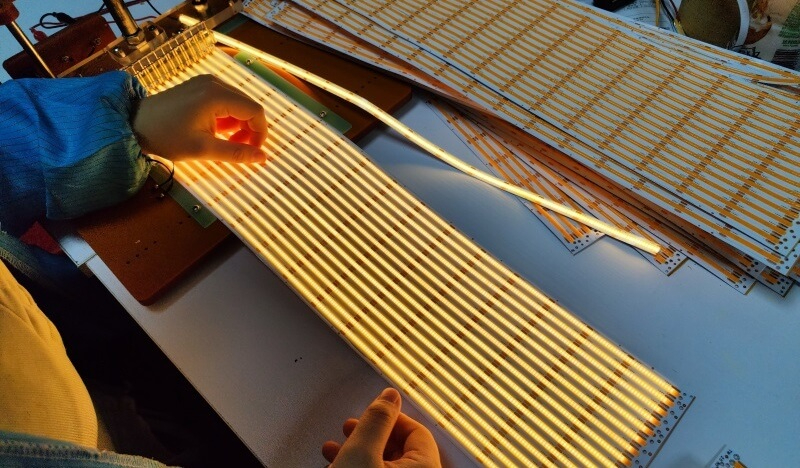
Wafer Fabrication
The first step in manufacturing COB LED strips is the fabrication of semiconductor wafers. These wafers are usually made from materials such as gallium nitride (GaN), silicon carbide (SiC), or sapphire, chosen for their superior semiconductor properties.
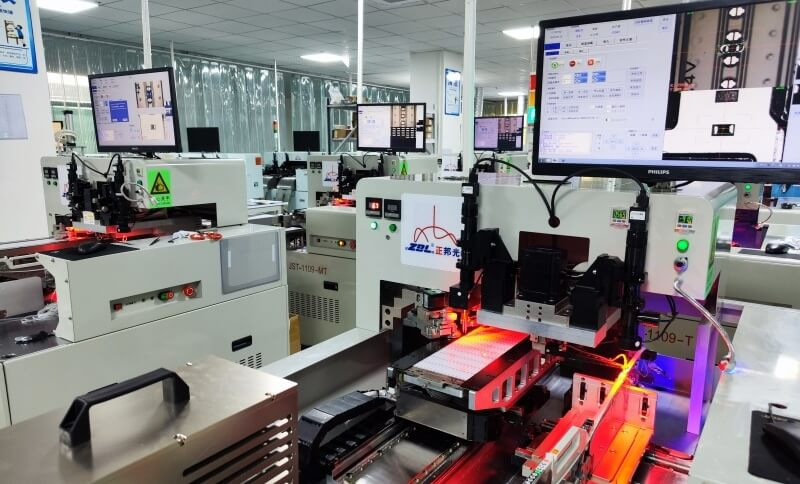
Crystal Growth: High-quality crystalline substrates are grown to serve as the foundation for subsequent semiconductor layers.
Epitaxial Layer Deposition: Multiple layers of semiconductor materials are deposited onto the wafer to form the LED structures, including the creation of p-n junctions essential for LED operation.
LED Chip Dicing
After the epitaxial layers are complete, the wafer is diced into individual LED chips. This process involves:
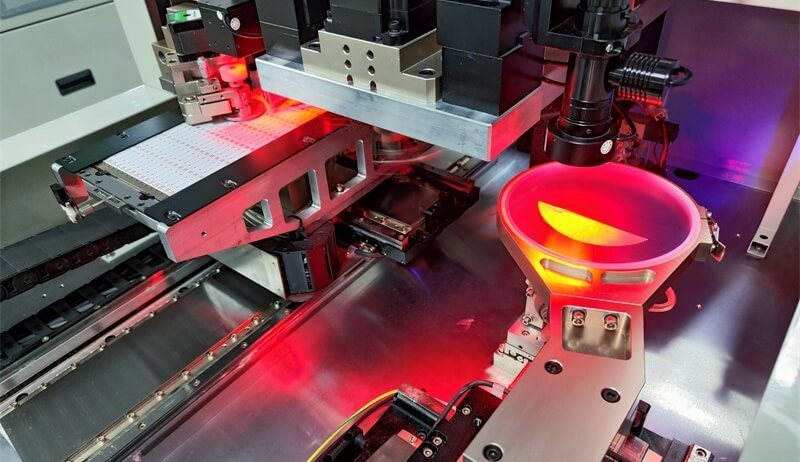
Photolithography and Etching: Patterns are etched onto the wafer to define the areas for chip separation.
Laser Scribing or Mechanical Sawing: Precision tools, such as lasers or diamond-tipped saws, are used to slice the wafer into small chips, each containing an individual LED unit.
Die Bonding
Once the LED chips are prepared, they need to be mounted onto a substrate in a process known as die bonding. This stage includes:
Substrate Selection: A thermally conductive substrate, typically made of aluminum or ceramic, is chosen for its effective heat dissipation properties.
Attachment: The LED chips are attached to the substrate using conductive adhesives or solder. The bonding material must have high thermal conductivity to ensure efficient heat transfer away from the LED chips.
Wire Bonding
Wire bonding establishes electrical connections between the LED chips and the circuit on the substrate. This process involves:
Bonding Wires: Thin wires made of gold or aluminum are used to connect the anode and cathode of each LED chip to the substrate's circuit traces.
Bonding Techniques: Common methods include thermosonic bonding for gold wires and ultrasonic bonding for aluminum wires. These techniques ensure strong and reliable electrical connections.
Phosphor Coating
To produce white light or other desired colors, a phosphor coating is applied over the LED chips. This process includes:
Phosphor Application: A uniform layer of phosphor material is applied to the chips. The phosphor composition determines the final color temperature and quality of the light output.
Curing: The phosphor coating is cured to solidify and secure it in place, ensuring consistent color and brightness.
Encapsulation
Encapsulation is crucial for protecting the LED chips and wiring from environmental factors like moisture, dust, and mechanical damage. This step involves:
Encapsulation Material: A transparent encapsulant, typically made of silicone or epoxy resin, is applied over the chips and wires. This material must be optically clear to allow maximum light transmission and provide mechanical stability.
Shaping and Curing: The encapsulant may be molded into specific shapes, such as lenses or diffusers, to control light distribution. After application, the encapsulant is cured to enhance durability and protection.
Thermal Management
Effective thermal management is essential for maintaining the performance and longevity of COB LEDs. This process includes:
Heat Sink Integration: A heat sink, usually made of aluminum, is attached to the back of the substrate to improve heat dissipation.
Thermal Interface Material: A thermal interface material (TIM) may be applied between the substrate and the heat sink to enhance thermal conductivity and manage heat effectively.
Testing and Quality Control
Before COB LED strips are ready for market, they undergo rigorous testing and quality control to ensure they meet all required specifications. This stage includes:
Electrical Testing: Checking for proper electrical operation, including verifying voltage and current specifications.
Optical Testing: Measuring light output, color temperature, and color rendering index (CRI) to ensure consistent and high-quality illumination.
Thermal Testing: Evaluating the thermal performance to ensure the LEDs operate safely within the specified temperature range.
Final Assembly and Packaging
Once the COB LED strips pass all quality checks, they proceed to final assembly and packaging. This stage involves:
Protective Packaging: Carefully packaging the LED strips to prevent damage during transportation.
Labeling and Documentation: Each package is labeled with crucial information such as product type, specifications, and batch number to ensure traceability.
Conclusion
The COB LED strip manufacturing process is a sophisticated and precise procedure, encompassing various critical steps from wafer fabrication to final packaging. Each stage plays a vital role in ensuring the high performance, reliability, and longevity of COB LED strips. As the demand for efficient and high-quality lighting solutions continues to grow, COB technology remains at the forefront, offering significant advantages in a wide range of lighting applications. This detailed overview provides insight into the meticulous process of COB LED strip manufacturing and highlights the importance of precision and quality control in achieving optimal results.
Need professional help? Contact our team for expert support and personalized solutions. We’re here to assist you. Contact Us
Get Your Free Quote
We respond to all inquiries within 12 hours. Contact us now!
Mobile:+86 18923408595
Email:info@zbl-lighting.com
Zip Code: 518106
Xin Wei Forth industrical Zone,Gong Ming Town,Guangming New Area,Shen Zhen,Guangdong,China