High Quality OEM/ODM LED Strip Manufacturer

High Quality OEM/ODM LED Strip Manufacturer
Published: July 3, 2023 Updated: July 3, 2023 1006
An LED strip power supply must match the strip voltage and safely support the complete connected load. Start with voltage, calculate watts, then account for installation temperature, dimming and cable losses.
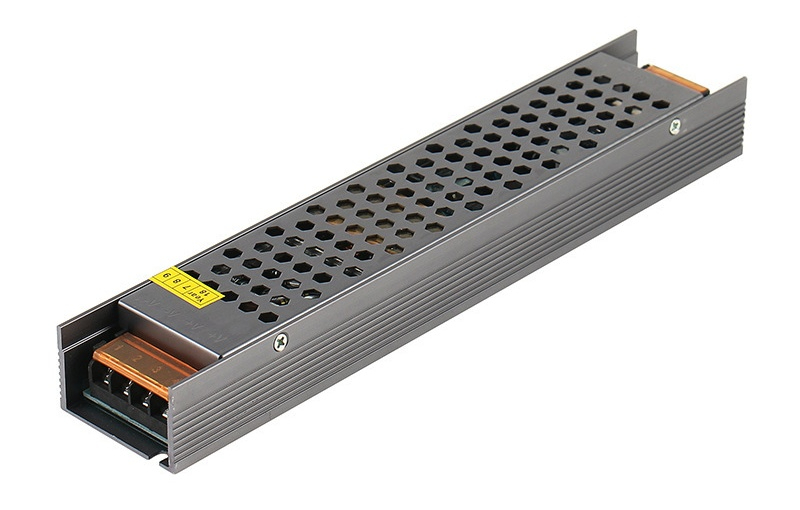
A 12 V strip requires a regulated 12 V DC supply; a 24 V strip requires 24 V DC. The controller and amplifier must use the same voltage. Never connect a low-voltage strip directly to mains power.
Multiply rated watts per metre by the installed length. For 8 metres at 12 W/m, the nominal load is 96 W. Add the driver's specified operating margin rather than selecting exactly 96 W. Do not use an arbitrary rule when the manufacturer provides derating curves.
Current equals watts divided by voltage. High current increases cable loss and connector heating. Long runs may require parallel feeds; our power-injection guide shows how to plan them.
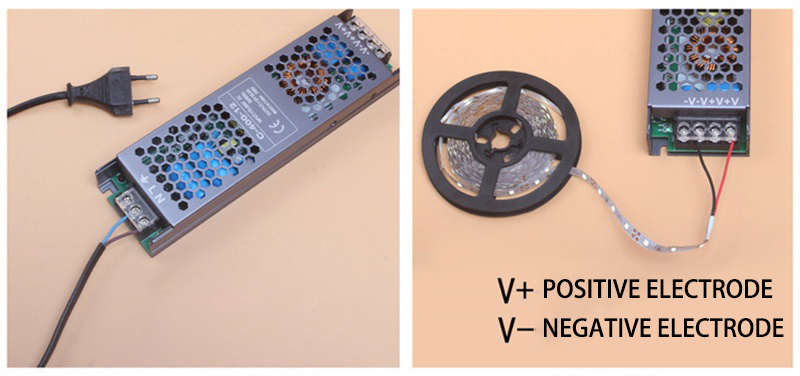
Choose a supply compatible with PWM, phase-cut, 0–10 V, DALI or the project control protocol. Confirm IP rating, ventilation, ambient temperature and whether the unit can be serviced after installation. SELV/Class 2 and regional certification requirements should be checked for the destination market.
Before ordering, compare 12 V and 24 V strip systems and confirm the exact load from the selected LED strip specification.
A higher current capacity is generally acceptable at the correct voltage, but minimum-load, efficiency, size and cost still matter.
Overload, overheating, short circuits or excessive inrush are common causes.
They use a normal constant-voltage supply plus a compatible multichannel controller sized for the total load.
Need professional help? Contact our team for expert support and personalized solutions. We’re here to assist you. Contact Us



Mobile:+86 18923408595
Email:info@zbl-lighting.com
Zip Code: 518106
Xin Wei Forth industrical Zone,Gong Ming Town,Guangming New Area,Shen Zhen,Guangdong,China