High Quality OEM/ODM LED Strip Manufacturer

High Quality OEM/ODM LED Strip Manufacturer
Published: December 10, 2024 Updated: December 10, 2024 1026
LED lights are widely used for their energy efficiency and long lifespan, but they can sometimes cause discomfort or glare. This issue arises due to several factors. Here's a detailed look at the reasons and solutions to reduce glare and enhance lighting comfort:
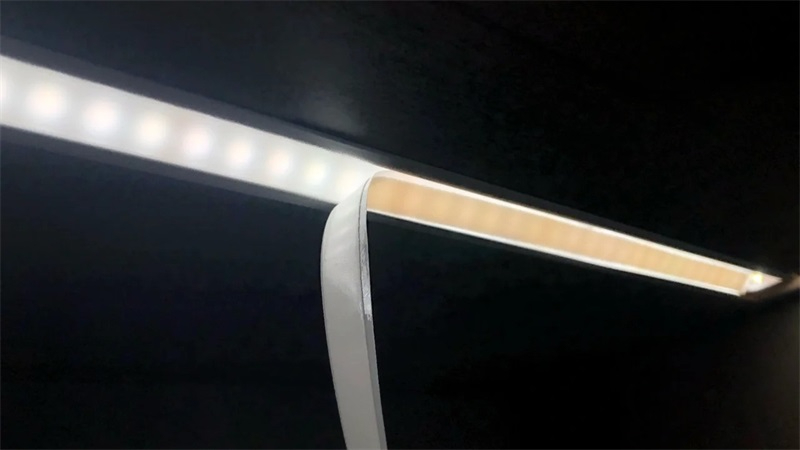
LED lights, especially those with high color temperatures (e.g., 6000K+), emit significant amounts of blue light. Blue light can cause eye strain and may pose a potential risk to the retina with prolonged exposure.
Solutions:
LEDs are inherently bright, and direct exposure to the light source can produce harsh glare. This effect is often caused by the design of the light fixture, the arrangement of LED chips, or inadequate diffusion.
Solutions:
Low-quality LED lights may suffer from flickering due to poorly designed drivers. Although the flicker might not be visible to the naked eye, it can cause fatigue, headaches, and discomfort over time.
Solutions:
LEDs are often very bright, and prolonged exposure to intense light can cause eye discomfort. Uneven lighting setups can further exacerbate the problem by forcing the eyes to constantly adjust to varying light levels.
Solutions:
LED lights with a low Color Rendering Index (CRI) can distort the appearance of colors, making it harder for the eyes to adapt naturally.
Solutions:
To minimize glare and improve your lighting experience:
By addressing these factors, you can significantly reduce glare, create a more comfortable environment, and protect your eye health while enjoying the benefits of LED lighting.
Need professional help? Contact our team for expert support and personalized solutions. We’re here to assist you. Contact Us



Mobile:+86 18923408595
Email:info@zbl-lighting.com
Zip Code: 518106
Xin Wei Forth industrical Zone,Gong Ming Town,Guangming New Area,Shen Zhen,Guangdong,China